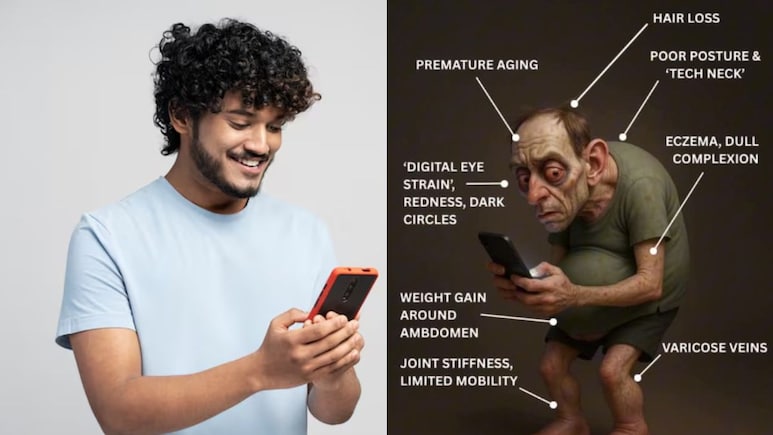
In today’s fast-paced digital world, mobile phones have become more than just a communication tool—they are a constant companion. From the moment we wake up to the time we fall asleep, our phones are rarely out of reach. While smartphones have brought immense convenience and connectivity, their excessive use has quietly turned into a serious addiction, especially among the current generation.
Understanding Mobile Phone Addiction
Mobile phone addiction refers to the compulsive and uncontrolled use of smartphones despite negative consequences. Many people feel anxious, restless, or incomplete when their phone is not nearby. Notifications, likes, messages, and endless scrolling trigger dopamine in the brain, creating a cycle similar to other behavioral addictions.
What starts as a useful habit slowly becomes a dependency.
Why Is the Current Generation More Affected?
The present generation has grown up in a digital environment. Social media, online gaming, instant messaging, and video streaming platforms are designed to keep users engaged for as long as possible. Some key reasons for rising addiction include:
Social Media Pressure: Likes, shares, and comments create validation loops.
Fear of Missing Out (FOMO): Constant updates make people afraid of being left out.
Easy Entertainment: Short videos, reels, and games provide instant pleasure.
Online Learning & Work: Increased screen time due to education and jobs blurs boundaries.
Lack of Offline Engagement: Reduced physical activities and face-to-face interactions.
Impact on Mental Health
One of the most serious effects of mobile phone addiction is on mental well-being. Excessive phone usage has been linked to:
Increased stress and anxiety
Sleep disorders due to late-night scrolling
Reduced attention span and focus
Feelings of loneliness and depression
Ironically, while phones promise connection, overuse often leads to emotional isolation.
Impact on Physical Health
The physical consequences are equally concerning:
Eye strain and headaches
Neck and back pain (often called “text neck”)
Poor posture
Reduced physical activity leading to obesity
Long hours of screen exposure also disrupt the body’s natural sleep cycle, affecting overall health.
Effect on Relationships and Productivity
Mobile phone addiction weakens real-life relationships. Families sit together but remain emotionally distant, each person absorbed in their own screen. Conversations are interrupted by notifications, and quality time is replaced by digital distraction.
In academic and professional life, constant phone checking reduces productivity, creativity, and deep thinking. Multitasking with phones often results in lower efficiency and poor performance.
Is Technology the Enemy?
The problem is not the mobile phone itself, but how we use it. Smartphones are powerful tools for learning, business, creativity, and communication. Addiction arises when usage goes beyond control and balance.
How to Reduce Mobile Phone Addiction
Some practical steps can help regain control:
Set screen-time limits
Avoid phone usage before bedtime
Turn off unnecessary notifications
Practice digital detox on weekends
Engage in physical activities and hobbies
Prioritize face-to-face conversations
Small changes can create a big difference.
Conclusion
Mobile phones are an inseparable part of modern life, but addiction to them is silently affecting the current generation’s health, relationships, and productivity. Awareness and conscious usage are the keys to breaking this cycle. Technology should serve humanity—not control it.
The real challenge for the current generation is not staying connected online, but staying connected to real life.